Fitnethix · with Jean Pierre Fux
A coach can only be in
one gym at a time.
A professional bodybuilder was coaching the world from a WhatsApp inbox. This is the product that let his method reach 500 people at once.
Coaching does not scale.
One trainer, one inbox, hundreds of people.
All of it. Sole designer.
research · IA · UI · design system · dev handoff. One designer, with a PM and engineers.
Two sides, one method.
a client app, and the console his whole practice runs on
500+ clients.
30+ trainers · live on Google Play
A coach's attention belongs on the athlete, not on the software.
Every screen that follows exists to take work off him: remembering, repeating, chasing, retyping. He keeps the judgement. The product does the admin.It all lived in one inbox.
Plans, progress photos, macros, injuries, payments. Every client, every day, in the same place he talked to his family.
📄 week4-plan-hugo-FINAL-v2.pdf
Coach, this exercise is paining my lower back. Should I skip?9:14 am
Which one? Send photo of the plan again11:40 am
📸 IMG_20220324_074512.jpg
Also I ate rice today, is it ok?1:02 pm
Scroll up two months to find the last measurement.
Ten questions before
a single rep.
Most apps drop you straight into a workout. You cannot program for a body you have not asked about. Tap a question to see it.
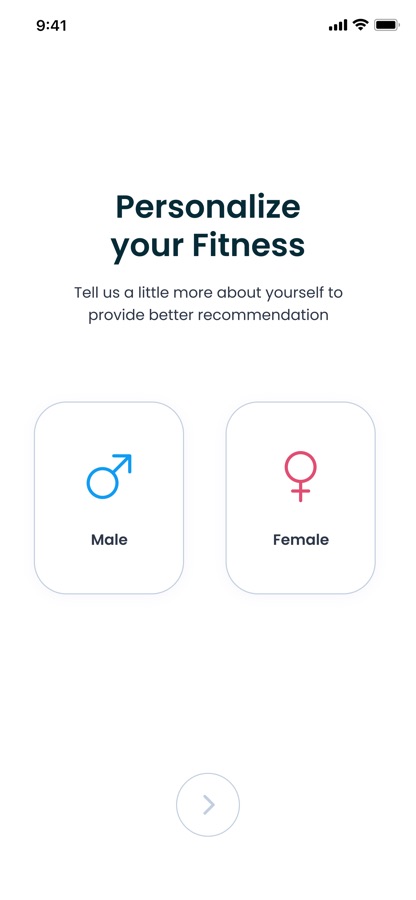
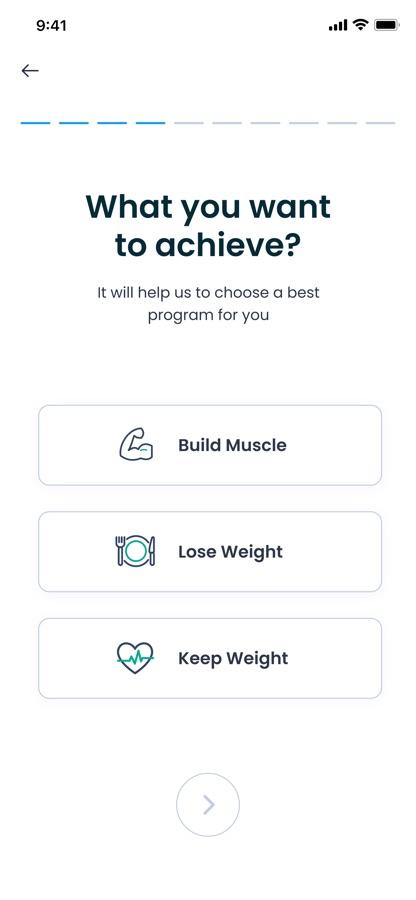
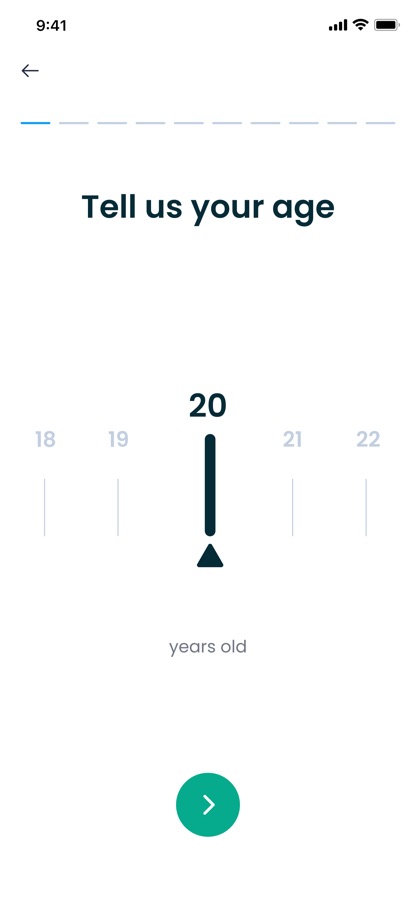
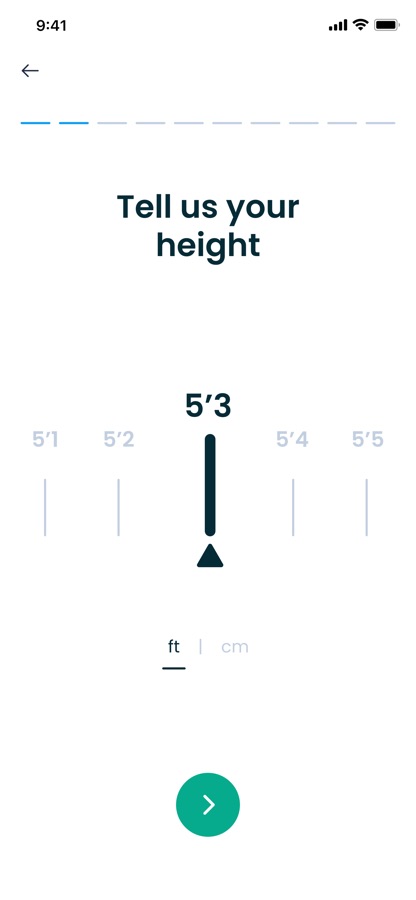
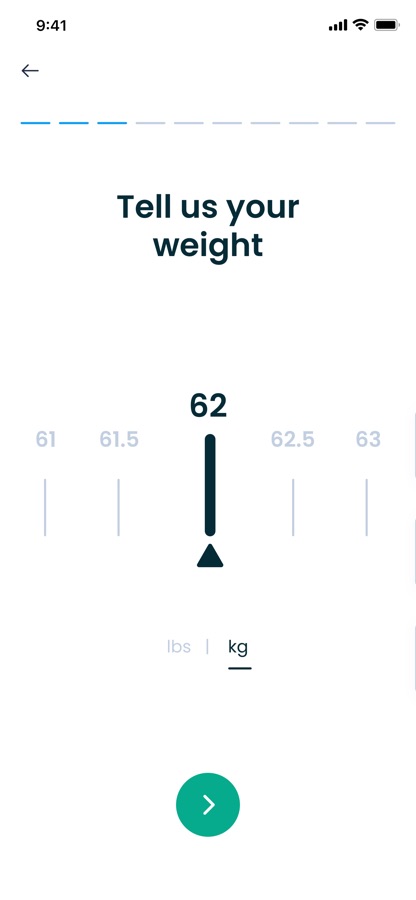
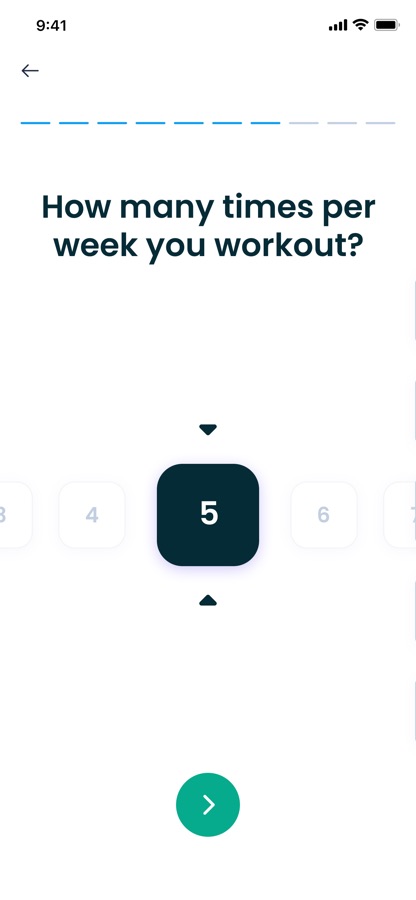
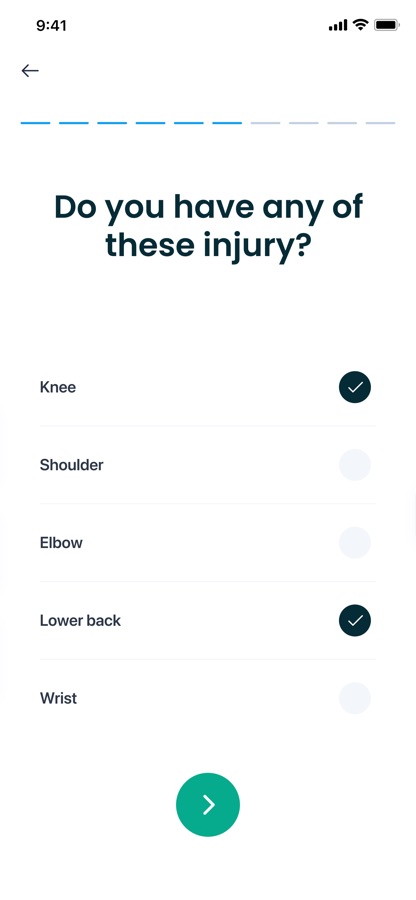
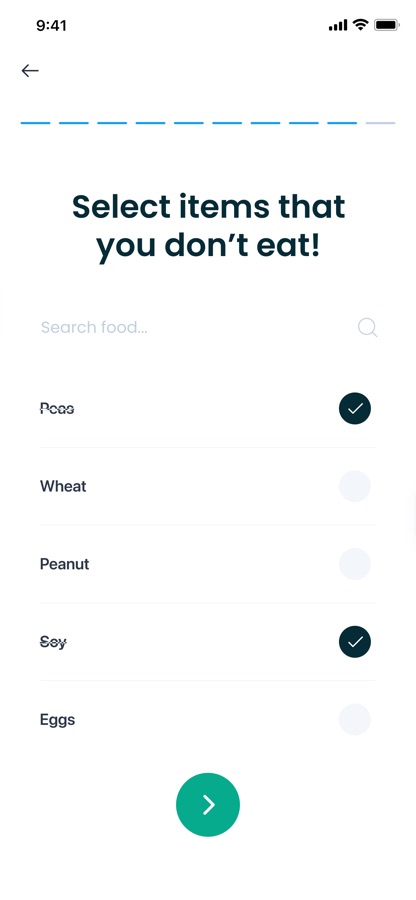
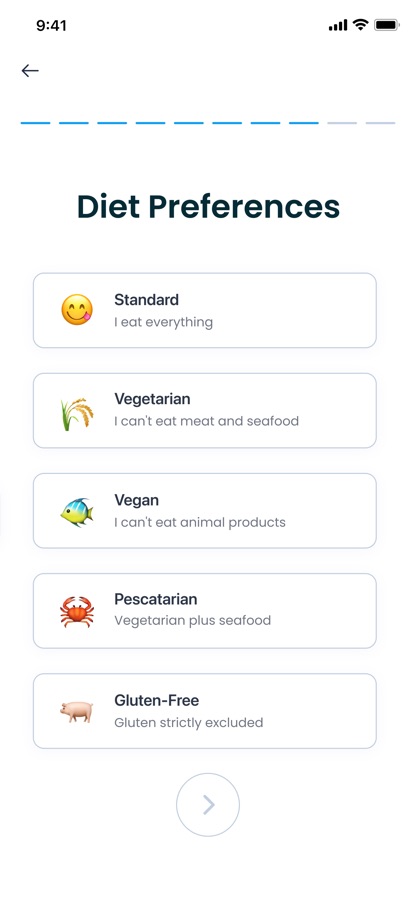
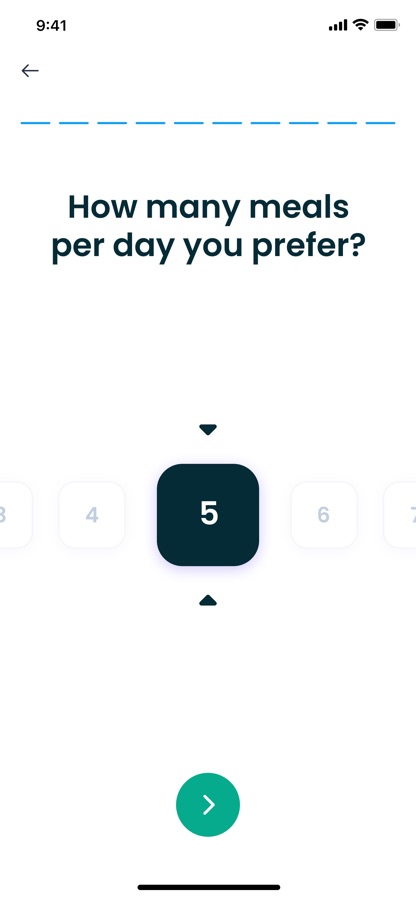
One question per screen, with a progress bar that never lies about how much is left. Two of the ten exist purely to keep people safe.
Asked once. Remembered
where it matters.
The most important thing a client says is the thing that could hurt them. So it does not stay in onboarding.
The client answers, once
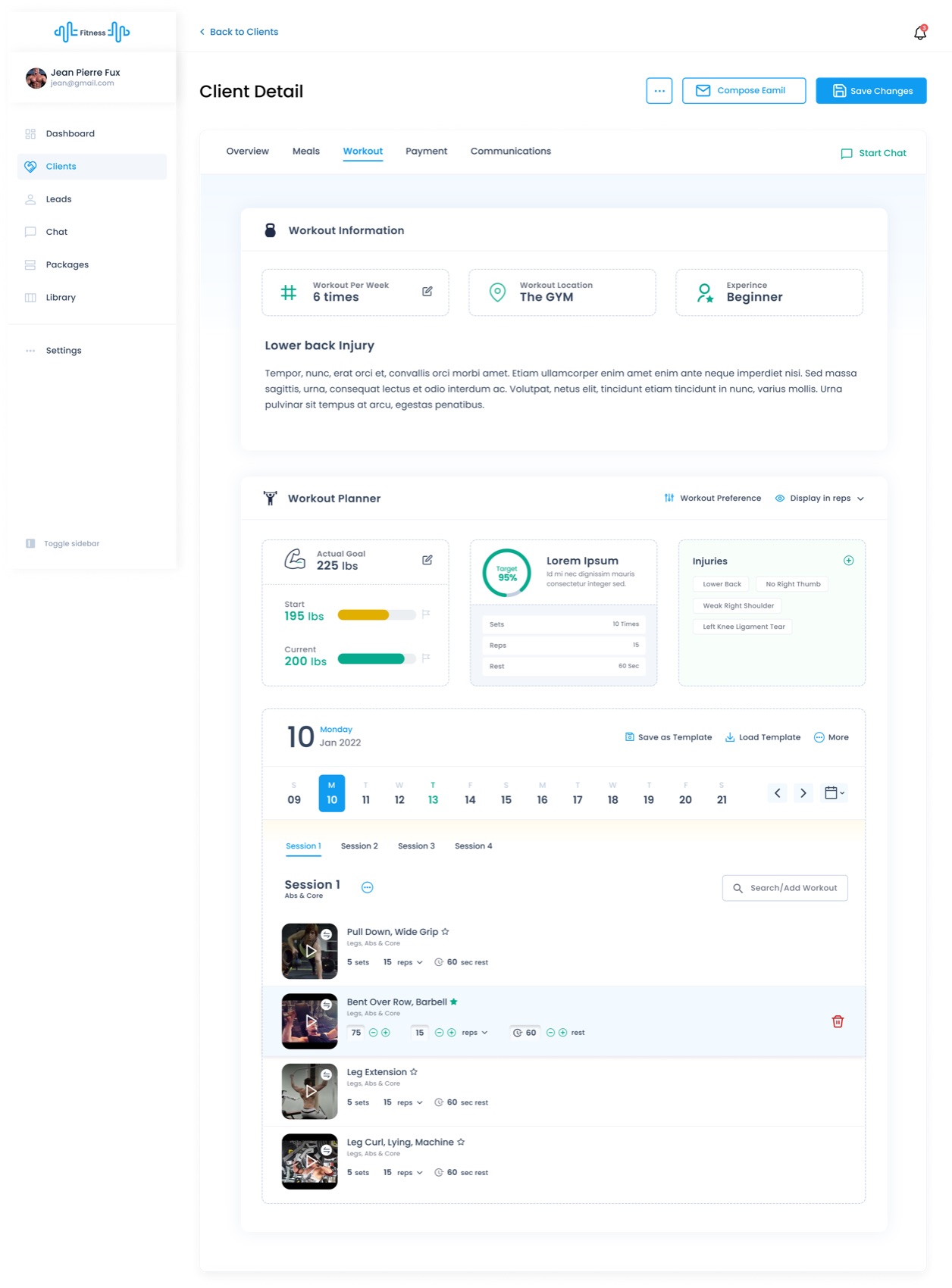
The trainer sees it, every time he programs
The most dangerous thing a client ever says is something they mentioned once, in a chat, four months ago.
Safety data is asked once, then follows the client. It sits beside the sets, not in a form nobody reopens.
He cannot forget an injury, because the screen will not let him.
His method, written once.
The planner is the whole business model. Build a programme, save it as a template, load it for the next person and adjust. Expertise that repeats without being retyped.
The same programme, typed again for the hundredth person. His expertise was being spent on repetition, not on judgement.
Write the method once, save it, load it, adjust for this body. The repetition became a button.
One coach. Five hundred athletes. No plan typed twice.
Designed for one free hand.
The reason this is two products and not one.
Nobody plans a twelve week programme on a phone. And nobody trains at a desk. Two postures, two completely different jobs.
A desktop console for planning, and a phone shaped for forty seconds of rest: sweaty fingers, propped phone, bad gym light.
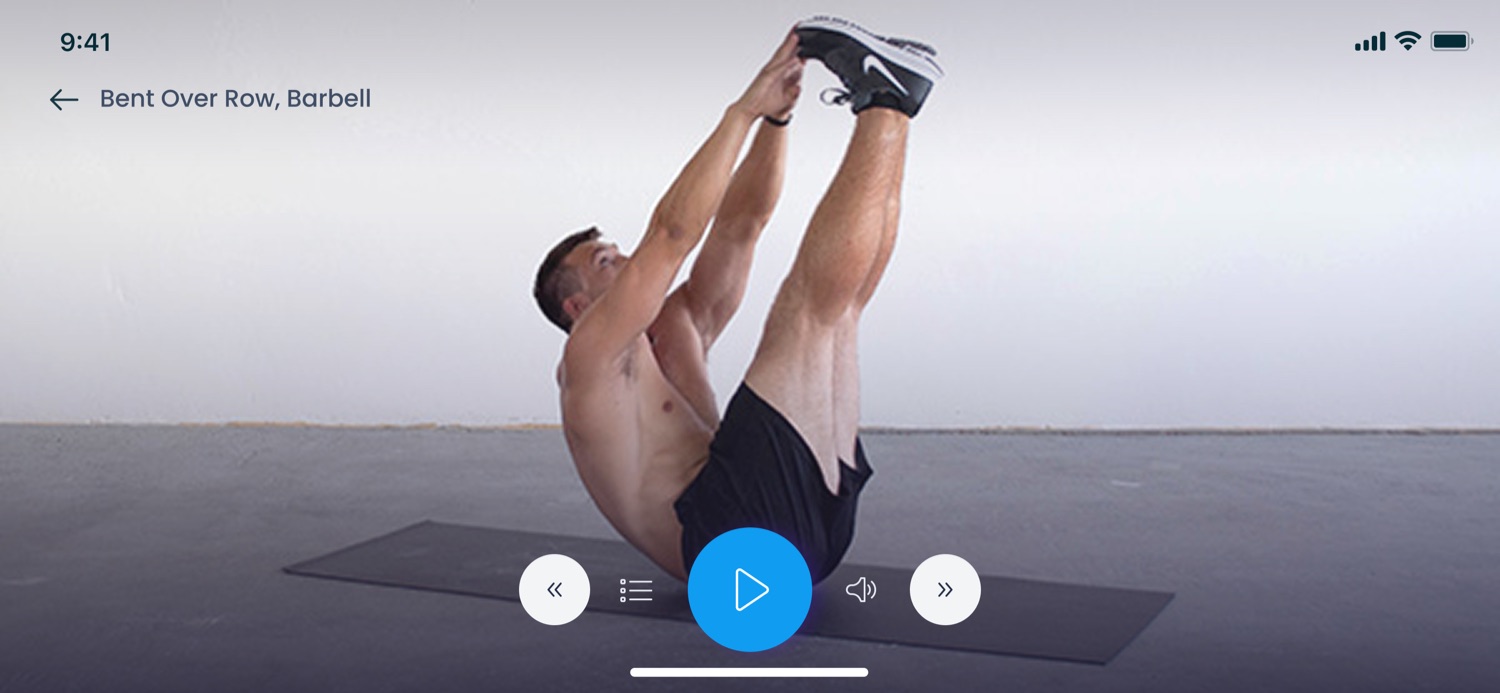
Between sets, the app asks for one thumb and no reading.
And a console his
practice runs on.
Coaching at this scale is a business, not a gym. So the console carries the parts nobody puts in a fitness app.
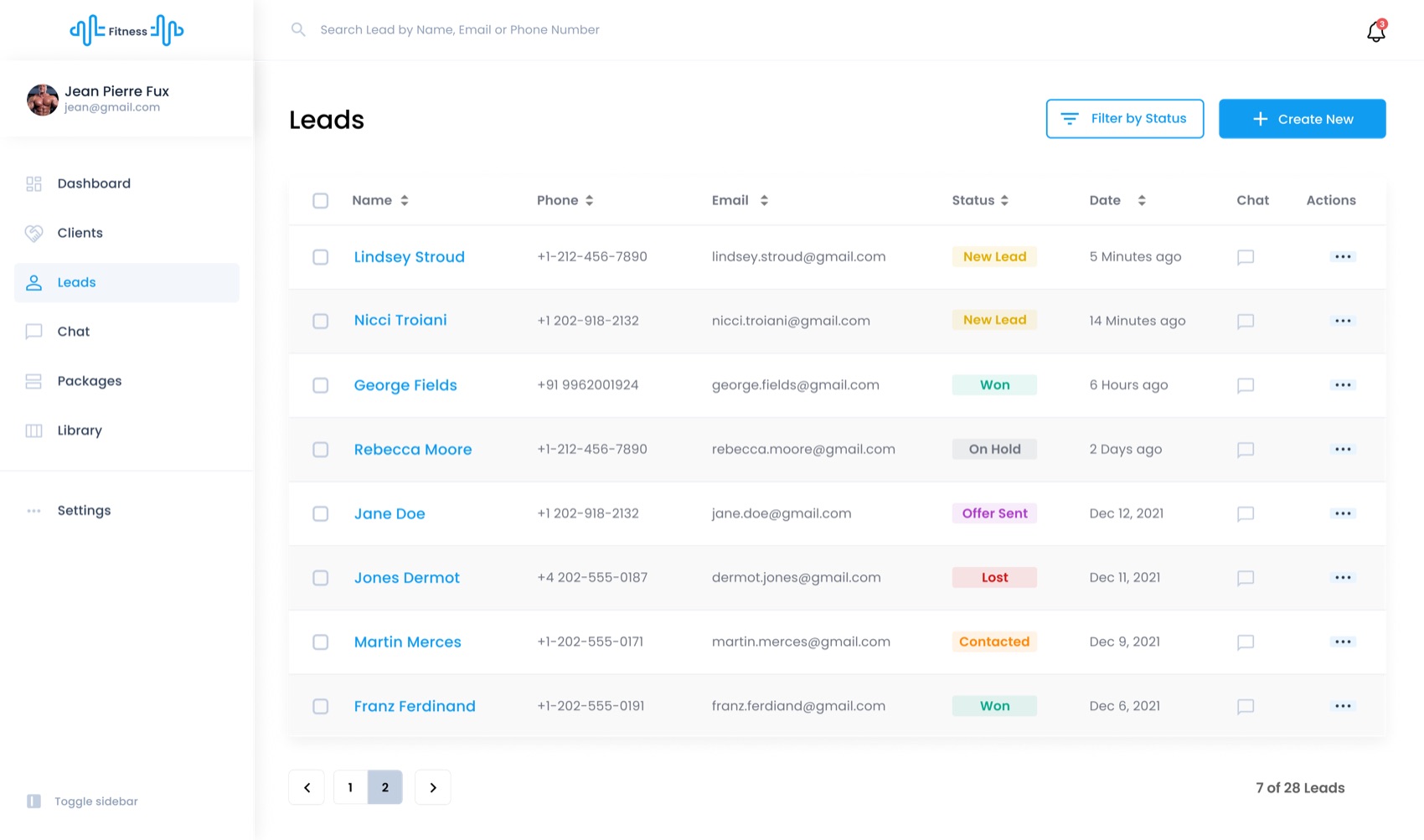
Enquiries are a pipelineNew lead, contacted, offer sent, won, lost. A coach's month depends on this screen.
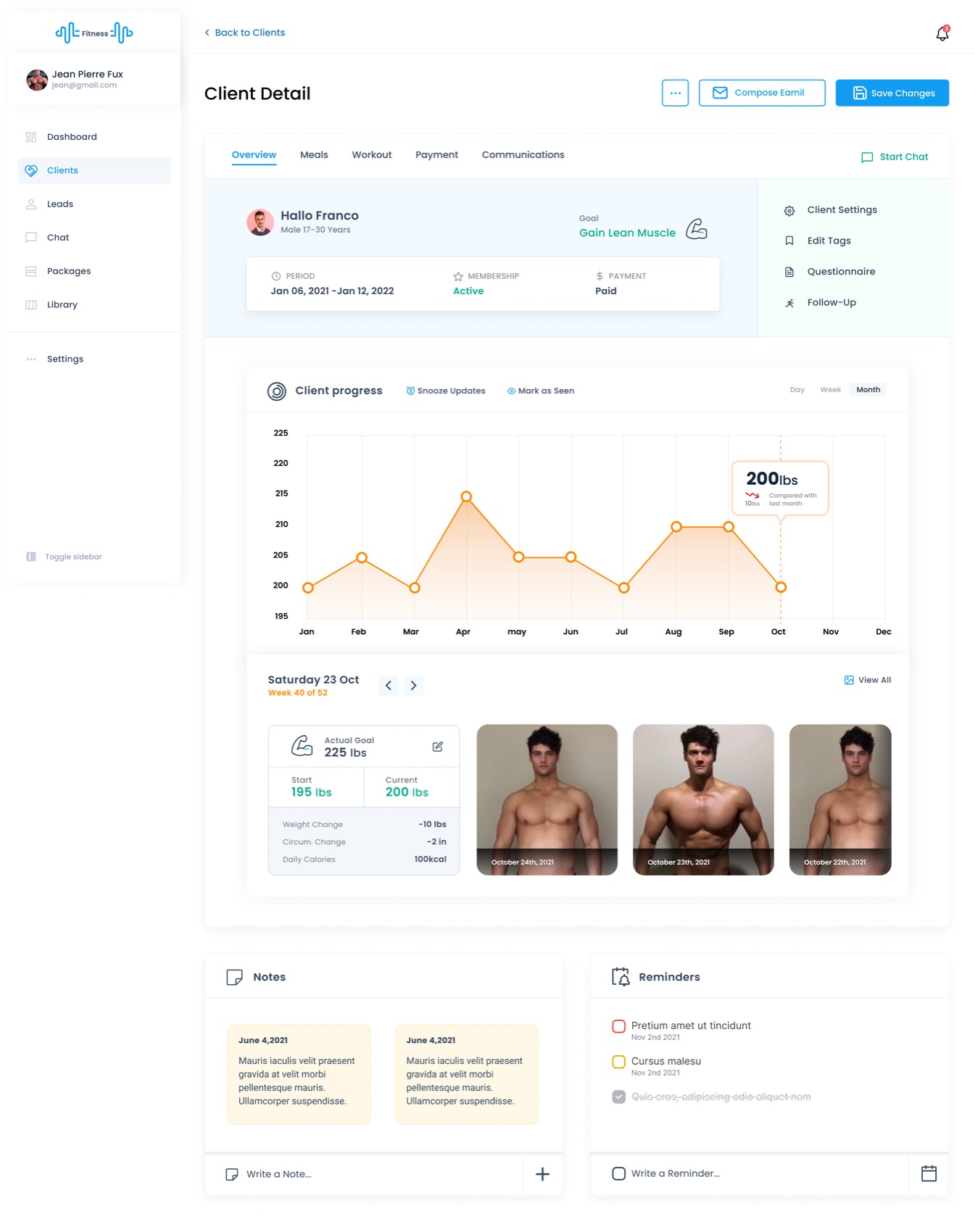
Progress is evidence, not a numberThe weight chart sits beside dated photos, notes and reminders. He looks at people, not rows.
The console chases people, so he does not have to.
And the ones I got wrong first
What changed.
No percentages. Only what can be counted.
A trainer's method stopped living in his phone, and started living in a product.
Client app live on Google Play. Console live, private to the coaching team. Screens carry sample data.
Live, in gyms.
Built with a professional bodybuilder whose name is on the product, shipped with a PM and engineers, and used every day by people who never met him.
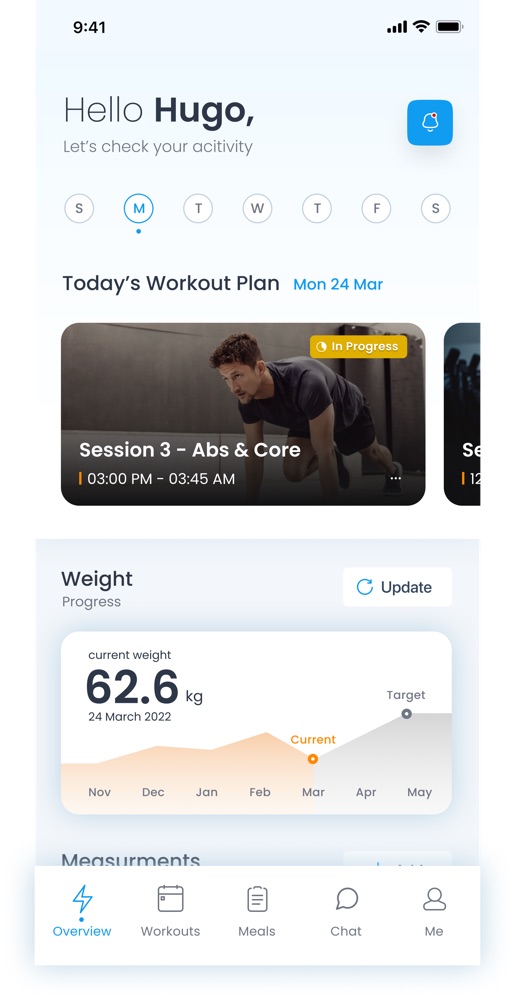
Hello Hugo. Today's session, waiting.